Monday, June 24, 2013

This post originally appeared at the Disability & Faith forum on June 17, 2013

1 Corinthians 12: 12-26

Paul writes to the Corinthians that our unique gifts, especially the gifts of those that appear to be weaker, are indispensableto the healthy functioning of the Body of Christ: “The eye cannot say to the hand, ‘I don’t need you!’ And the head cannot say to the feet, ‘I don’t need you!’ On the contrary, those parts of the body that seem to be weaker are indispensable.” (1 Cor 12:21-22, NIV).

Jeff McNair serves as Professor of Special Education and Director of the Disability Studies MA program at California Baptist University. At disabledchristianity.blogspot.ca he writes,
 “People with disabilities have the potential to cause wholesale change (in) the church and (to) the traditions of the church with their presence. So they may seem weak but the power of their presence is actually so powerful that if embraced it will change everything within the church. They are therefore, both indispensable and incredibly powerful to change the church… though seemingly weaker.”

The indispensability of the gifts of those who may appear weaker brings to mind God's exhortation to Paul: “My grace is sufficient for you, for my power is made perfect in weakness” (2 Cor 12:9).  This should cause each of us  to stop in our tracks and ask ourselves – how is God’s power revealing itself through my weakness? Through my vulnerability? The answer may be humbling. Perhaps we have gotten too good at hiding our own weakness and vulnerability, in the same way that we sometimes hide the weakness and vulnerability in our church communities in order to appear strong, when appearing weak actually leads to growth and God's power working in us.
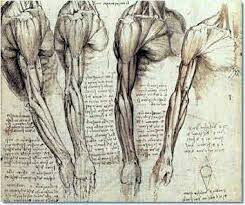
 armIn Romans, Paul writes "just as each of us has one body with many members, and these members do not all have the same function, so in Christ we, though many, form one body, and each member belongs to all the others” (Rom 12:3-5). Each of us belongs to all of the others. This is much more than making a place for those who are different than us – more than inclusion. This is more even, than recognizing that those who appear weak have an important role to play. This is coming to see that we belong to one another and are indispensable to one another. My spiritual health – our health as the church - is intrinsically linked to your belonging, your indispensable contribution to the Body of Christ.

 In these passages, much of the focus seems to be on what gifts bring to the community.  Both Paul and Peter emphasize that each one of us has been given a gift to share with the Body of Christ. Paul writes: “Now to each one the manifestation of the Spirit is given for the common good” (1 Cor 12:7).  Peter puts it this way: “As each has received a gift, use it to serve one another, as good stewards of God’s varied grace” (1 Pe 4:10, ESV). Both following 1 Corinthians 12 and Romans 12, though, Paul goes on to emphasize the priority of love in exercising the gifts that we have. 1 Corinthians 12 is followed by the ‘love passage’ which Paul introduces by writing “I will show you a still more excellent way” (1 Cor 12:31, ESV). The exercise of our gifts is secondary to the love we show others, those who are among us.

 Providing the opportunity for each person, with or without disabilities, to share their God-given gifts is essential to a healthy community. A church or community will genuinely thrive, though, only when love is present. Love requires another and in this way we begin to see how each of us belongs to all 'the others'. Love only find its fulfillment when the Other is flourishing as the person God has intended him or her to be.

This post originally appeared at the Disability & Faith forum on June 17, 2013

1 Corinthians 12: 12-26

Paul writes to the Corinthians that our unique gifts, especially the gifts of those that appear to be weaker, are indispensableto the healthy functioning of the Body of Christ: “The eye cannot say to the hand, ‘I don’t need you!’ And the head cannot say to the feet, ‘I don’t need you!’ On the contrary, those parts of the body that seem to be weaker are indispensable.” (1 Cor 12:21-22, NIV).

Jeff McNair serves as Professor of Special Education and Director of the Disability Studies MA program at California Baptist University. At disabledchristianity.blogspot.ca he writes,
 “People with disabilities have the potential to cause wholesale change (in) the church and (to) the traditions of the church with their presence. So they may seem weak but the power of their presence is actually so powerful that if embraced it will change everything within the church. They are therefore, both indispensable and incredibly powerful to change the church… though seemingly weaker.”

The indispensability of the gifts of those who may appear weaker brings to mind God's exhortation to Paul: “My grace is sufficient for you, for my power is made perfect in weakness” (2 Cor 12:9).  This should cause each of us  to stop in our tracks and ask ourselves – how is God’s power revealing itself through my weakness? Through my vulnerability? The answer may be humbling. Perhaps we have gotten too good at hiding our own weakness and vulnerability, in the same way that we sometimes hide the weakness and vulnerability in our church communities in order to appear strong, when appearing weak actually leads to growth and God's power working in us.

 armIn Romans, Paul writes "just as each of us has one body with many members, and these members do not all have the same function, so in Christ we, though many, form one body, and each member belongs to all the others” (Rom 12:3-5). Each of us belongs to all of the others. This is much more than making a place for those who are different than us – more than inclusion. This is more even, than recognizing that those who appear weak have an important role to play. This is coming to see that we belong to one another and are indispensable to one another. My spiritual health – our health as the church - is intrinsically linked to your belonging, your indispensable contribution to the Body of Christ.

 In these passages, much of the focus seems to be on what gifts bring to the community.  Both Paul and Peter emphasize that each one of us has been given a gift to share with the Body of Christ. Paul writes: “Now to each one the manifestation of the Spirit is given for the common good” (1 Cor 12:7).  Peter puts it this way: “As each has received a gift, use it to serve one another, as good stewards of God’s varied grace” (1 Pe 4:10, ESV). Both following 1 Corinthians 12 and Romans 12, though, Paul goes on to emphasize the priority of love in exercising the gifts that we have. 1 Corinthians 12 is followed by the ‘love passage’ which Paul introduces by writing “I will show you a still more excellent way” (1 Cor 12:31, ESV). The exercise of our gifts is secondary to the love we show others, those who are among us.

 Providing the opportunity for each person, with or without disabilities, to share their God-given gifts is essential to a healthy community. A church or community will genuinely thrive, though, only when love is present. Love requires another and in this way we begin to see how each of us belongs to all 'the others'. Love only find its fulfillment when the Other is flourishing as the person God has intended him or her to be.

Monday, June 10, 2013


The road that I travel to work is going to be widened; this work is scheduled to take seven years. When I heard the time frame, I began to grumble about the inconvenience of it taking so long and being my route to work. I began to do the math and try and figure out how that would look in life, seven years from now, and how old I would be. It's funny where the mind goes when one is grumbling to oneself. After the grumbling came the realization that I do have alternate routes that will get me to work and not add any time to my trip.


"[Your beauty] should be that of your inner self, the unfading beauty of a gentle and quiet spirit, which is of great worth in God’s sight." 1 Peter 3:4, NIV

Those alternate routes, though, challenge my own "creature of habit" lifestyle. When I was born again ten years ago, the Lord spoke into my life about my habitual lifestyle. Before the Lord, my life was about self-preservation and being a creature of habit to rely on myself to survive. Once I accepted Jesus, my life changed dramatically in that area. Now, I am open to trying new things, and I no longer rely on myself to survive. He has shown me a lifestyle of prayer, living for Him, and loving like Him. Though it is a journey, and as the above illustration shows, it is very easy to fall back into the old ways. But if I keep my heart close to His, He will show me the truth in any situation that I face.


"Let us draw near to God with a sincere heart in full assurance of faith, having our hearts sprinkled to cleanse us from a guilty conscience and having our bodies washed with pure water." - Hebrews 10:22, NIV

As we move forward in the next seven years of construction on the roads of life, we can also rest assured that we are not alone, and we can turn to Him for direction and grace for anything we face. Just as Jesus showed me growth in the past years, He, too, will show you if you seek Him.


Prayer: Dear Lord, thank You for Your life lessons and for showing us our past in such a loving way. We thank You that You do not condemn us to bondage to the past, but rather that You are a God of compassion and love for us. In Jesus' name, we pray. Amen.


- Julie


The road that I travel to work is going to be widened; this work is scheduled to take seven years. When I heard the time frame, I began to grumble about the inconvenience of it taking so long and being my route to work. I began to do the math and try and figure out how that would look in life, seven years from now, and how old I would be. It's funny where the mind goes when one is grumbling to oneself. After the grumbling came the realization that I do have alternate routes that will get me to work and not add any time to my trip.


"[Your beauty] should be that of your inner self, the unfading beauty of a gentle and quiet spirit, which is of great worth in God’s sight." 1 Peter 3:4, NIV

Those alternate routes, though, challenge my own "creature of habit" lifestyle. When I was born again ten years ago, the Lord spoke into my life about my habitual lifestyle. Before the Lord, my life was about self-preservation and being a creature of habit to rely on myself to survive. Once I accepted Jesus, my life changed dramatically in that area. Now, I am open to trying new things, and I no longer rely on myself to survive. He has shown me a lifestyle of prayer, living for Him, and loving like Him. Though it is a journey, and as the above illustration shows, it is very easy to fall back into the old ways. But if I keep my heart close to His, He will show me the truth in any situation that I face.


"Let us draw near to God with a sincere heart in full assurance of faith, having our hearts sprinkled to cleanse us from a guilty conscience and having our bodies washed with pure water." - Hebrews 10:22, NIV

As we move forward in the next seven years of construction on the roads of life, we can also rest assured that we are not alone, and we can turn to Him for direction and grace for anything we face. Just as Jesus showed me growth in the past years, He, too, will show you if you seek Him.


Prayer: Dear Lord, thank You for Your life lessons and for showing us our past in such a loving way. We thank You that You do not condemn us to bondage to the past, but rather that You are a God of compassion and love for us. In Jesus' name, we pray. Amen.


- Julie

Monday, May 06, 2013

O Lord, who hast mercy upon all,
take away from me my sins,
and mercifully kindle in me the fire of thy Holy Spirit.
Take away from me the heart of stone,
and give me a heart of flesh,
a heart to love and adore thee,
a heart to delight in thee,
to follow and to enjoy thee,
for Christ's sake.
- Ambrose of Milan, c 339-97


Old Testament readings:
Isaiah 63:7-10
Psalm 51:10-12

Gospel Reading: 
John 14:15-21

Epistle Reading: 
Romans 8:26


Reflection:

Of all the gifts given to mankind the most wonderful and mysterious has to be that He himself desires to dwell within.  Often referred to as the ‘breath’ of God it seems that the Holy Spirit played a significant role in the ‘quickening’ of humanity.

Humanity is unique from all creation in this one respect, only into us did he ‘breath’.  That breath did not only rest on Adam and Eve – but that breath sustains and quickens all persons.  There is a 'God-quality' embedded into all people.  But, there appears to be a difference between the Spirit of God’s quickening breath of humanity and the indwelling of Holy Spirit.  I have wondered if this is partly implied in the verse in John where it says “and he came to his own, but they knew him not” – this passage is often only related to the Jewish nation – which it certainly does apply, but perhaps not exclusively.

If we accept the creation story of God breathing ‘life’ into Adam, by virtue of Adam and Eve being the earthly father and mother to all human life – all are ‘his own’.   He desires to come to ‘his own’.  Another verse causes me to think about more broadly about his ‘coming to his own’ – it is in the revelation that it is the deepest desire of God who ‘wants all people to be saved and come to a knowledge of the truth’ (1 Timothy 2:4).   The great grief of God is that in coming to his own, they did not receive him (John 1:11).
One of the main roles of the Holy Spirit with in our lives is his constant reminding and assuring us that we belong to God – he comforts us – he speaks to us, urges, calls, points to the truth of God.


 "You, however, are not in the flesh but in the Spirit, if in fact the Spirit of God dwells in you. Anyone who does not have the Spirit of Christ does not belong to him." (Rom 8:9)


"Or do you not know that your body is a temple of the Holy Spirit within you, whom you have from God? You are not your own, for you were bought with a price. So glorify God in your body." (1 Cor 6:19-20)


One of the questions I would frequently get asked related to this is “how do I know that the Holy Spirit dwells with in me?" I can understand why this is such a pressing question – so pressing that at times I still ask the question of myself.  How do I know that the Holy Spirit dwells within me?

Jesus tells us clearly “If you love me, keep my commandments” (John 14:15).   John tells us again in his letter 1 Jn 3:19-24:


This is how we know that we belong to the truth and how we set our hearts at rest in his presence: If our hearts condemn us, we know that God is greater than our hearts, and he knows everything. Dear friends, if our hearts do not condemn us, we have confidence before God and receive from him anything we ask, because we keep his commands and do what pleases him. And this is his command: to believe in the name of his Son, Jesus Christ, and to love one another as he commanded us. The one who keeps God’s commands lives in him, and he in them. And this is how we know that he lives in us: We know it by the Spirit he gave us.

And if this is too complicated it boils down to this:


  • Do you love the Father?
  • Do you love the Son?
  • Do you love the one whom he set to live within us?
  • Do you love one another?

If your heart confirms and you feel that deep longing yes, yes yes, yes, yes – even though you know that ‘your heart condemns you’ because you could do it better and more completely – those answers and that feeling only can come from one source – the indwelling of the Holy Spirit.  He has come to his own – you – and you have received him.


Everyone who believes that Jesus is the Christ is born of God, and everyone who loves the father loves his child as well. This is how we know that we love the children of God: by loving God and carrying out his commands. In fact, this is love for God: to keep his commands. And his commands are not burdensome, for everyone born of God overcomes the world. This is the victory that has overcome the world, even our faith. Who is it that overcomes the world? Only the one who believes that Jesus is the Son of God. (1 John 5:1-5)

"And his commands are not burdensome…" that a tough one.  But here is my interpretation – I believe it is not saying that we will find it easy to keep all his commandments – that we never stumble or fall.  I think it is referring back to his commands in this sense: "They are more precious than gold, than much pure gold; they are sweeter than honey, than honey from the honeycomb." (Psalm 19:10)

We don’t fight and reject his commandments – we don’t despise them and ridicule them – we long for them and want them to have their way within us, to make us more like Him.  His commandments are our life – and only the Holy Spirit voice and presence within us creates this unquenchable want.

Closing Prayer:

Breathe on me, Breath of God,
fill me with life anew,
that I may love what thou dost love,
and do what thou wouldst do.

Breathe on me, Breath of God,
until my heart is pure,
until with thee I will one will,
to do and to endure.

Breathe on me, Breath of God,
till I am wholly thine,
till all this earthly part of me
glows with thy fire divine.

Breathe on me, Breath of God,
so shall I never die,
but live with thee the perfect life
of thine eternity.
A-men.

O Lord, who hast mercy upon all,
take away from me my sins,
and mercifully kindle in me the fire of thy Holy Spirit.
Take away from me the heart of stone,
and give me a heart of flesh,
a heart to love and adore thee,
a heart to delight in thee,
to follow and to enjoy thee,
for Christ's sake.
- Ambrose of Milan, c 339-97


Old Testament readings:
Isaiah 63:7-10
Psalm 51:10-12

Gospel Reading: 
John 14:15-21

Epistle Reading: 
Romans 8:26


Reflection:

Of all the gifts given to mankind the most wonderful and mysterious has to be that He himself desires to dwell within.  Often referred to as the ‘breath’ of God it seems that the Holy Spirit played a significant role in the ‘quickening’ of humanity.

Humanity is unique from all creation in this one respect, only into us did he ‘breath’.  That breath did not only rest on Adam and Eve – but that breath sustains and quickens all persons.  There is a 'God-quality' embedded into all people.  But, there appears to be a difference between the Spirit of God’s quickening breath of humanity and the indwelling of Holy Spirit.  I have wondered if this is partly implied in the verse in John where it says “and he came to his own, but they knew him not” – this passage is often only related to the Jewish nation – which it certainly does apply, but perhaps not exclusively.

If we accept the creation story of God breathing ‘life’ into Adam, by virtue of Adam and Eve being the earthly father and mother to all human life – all are ‘his own’.   He desires to come to ‘his own’.  Another verse causes me to think about more broadly about his ‘coming to his own’ – it is in the revelation that it is the deepest desire of God who ‘wants all people to be saved and come to a knowledge of the truth’ (1 Timothy 2:4).   The great grief of God is that in coming to his own, they did not receive him (John 1:11).
One of the main roles of the Holy Spirit with in our lives is his constant reminding and assuring us that we belong to God – he comforts us – he speaks to us, urges, calls, points to the truth of God.


 "You, however, are not in the flesh but in the Spirit, if in fact the Spirit of God dwells in you. Anyone who does not have the Spirit of Christ does not belong to him." (Rom 8:9)


"Or do you not know that your body is a temple of the Holy Spirit within you, whom you have from God? You are not your own, for you were bought with a price. So glorify God in your body." (1 Cor 6:19-20)


One of the questions I would frequently get asked related to this is “how do I know that the Holy Spirit dwells with in me?" I can understand why this is such a pressing question – so pressing that at times I still ask the question of myself.  How do I know that the Holy Spirit dwells within me?

Jesus tells us clearly “If you love me, keep my commandments” (John 14:15).   John tells us again in his letter 1 Jn 3:19-24:


This is how we know that we belong to the truth and how we set our hearts at rest in his presence: If our hearts condemn us, we know that God is greater than our hearts, and he knows everything. Dear friends, if our hearts do not condemn us, we have confidence before God and receive from him anything we ask, because we keep his commands and do what pleases him. And this is his command: to believe in the name of his Son, Jesus Christ, and to love one another as he commanded us. The one who keeps God’s commands lives in him, and he in them. And this is how we know that he lives in us: We know it by the Spirit he gave us.

And if this is too complicated it boils down to this:


  • Do you love the Father?
  • Do you love the Son?
  • Do you love the one whom he set to live within us?
  • Do you love one another?

If your heart confirms and you feel that deep longing yes, yes yes, yes, yes – even though you know that ‘your heart condemns you’ because you could do it better and more completely – those answers and that feeling only can come from one source – the indwelling of the Holy Spirit.  He has come to his own – you – and you have received him.


Everyone who believes that Jesus is the Christ is born of God, and everyone who loves the father loves his child as well. This is how we know that we love the children of God: by loving God and carrying out his commands. In fact, this is love for God: to keep his commands. And his commands are not burdensome, for everyone born of God overcomes the world. This is the victory that has overcome the world, even our faith. Who is it that overcomes the world? Only the one who believes that Jesus is the Son of God. (1 John 5:1-5)

"And his commands are not burdensome…" that a tough one.  But here is my interpretation – I believe it is not saying that we will find it easy to keep all his commandments – that we never stumble or fall.  I think it is referring back to his commands in this sense: "They are more precious than gold, than much pure gold; they are sweeter than honey, than honey from the honeycomb." (Psalm 19:10)

We don’t fight and reject his commandments – we don’t despise them and ridicule them – we long for them and want them to have their way within us, to make us more like Him.  His commandments are our life – and only the Holy Spirit voice and presence within us creates this unquenchable want.

Closing Prayer:

Breathe on me, Breath of God,
fill me with life anew,
that I may love what thou dost love,
and do what thou wouldst do.

Breathe on me, Breath of God,
until my heart is pure,
until with thee I will one will,
to do and to endure.

Breathe on me, Breath of God,
till I am wholly thine,
till all this earthly part of me
glows with thy fire divine.

Breathe on me, Breath of God,
so shall I never die,
but live with thee the perfect life
of thine eternity.
A-men.

Monday, April 15, 2013


In many Christian Lexicons April 9th was dedicated to Dietrich Bonheoffer.  He a pastor and theologian who was arrested April 5th, 1941 and was executed April 9th, 1945 – days before the final Allied push into Germany that would have freed him.

There are records that show Hitler had a special ‘hate on’ for Dietrich – it might be because Dietrich was a leader in the underground resistance, a vocal and unabashed critic, and was likely a key figure in the failed attempt to assassinate Hitler.

Dietrich constantly decried the injustices and atrocities committed against the Jewish people, the weak and the disabled.  He had numerous opportunities to escape and live a life of relative comfort and safety.  He was actually living and studying in the US for a while but the longings of family and his responsibilities to the underground church drew him home.  He then was invited to, and for a few years, pastored a small German congregation in England.  But again he felt a powerful and unrelenting call to return to the fatherland and bring leadership and encouragement to the Christian’s that where taking a stand against what was happen – Many stories have surfaced since that there where many German Christian who took a stand and paid the ultimate price.  There are also many accounts of these same Christians begging for help from the Christians community abroad – and they refused to get involved.

There is a book compiled of Dietrich’s letters to his parents, his friends and his fiancé – entitled “Letters from Prison” – in those letters you see the struggle that he had with his faith, his responsibility and the thin line between life and death – even though he had to be extremely careful what he wrote because every word was being read before it left the prison, we gain deep insight into his prayer and thought life.   There are reports from other prisoners who survived that Dietrich conducted himself above reproach while in prison with such grace and gentleness toward the other prisoners and also the guards that when possible they were lenient and gentle toward him.  But when that final order came from Hitler himself, they carried it out without hesitation.

I recently received a firsthand report of Christian pastor in Somalia who is under extreme risk and personal cost because of his faith.   His statement; “They slaughter Christians by knife, or shoot them. Or chop off their hands and legs” is one that is foreign and incomprehensible to us.  There were news reports recently revealing that the arrest of Pastors in Iran are escalating and that persecution of Christians in the Middle East are reaching unprecedented heights.  – A reporter for the American Thinker magazine writes “It’s a bad time to be a Christian in the Middle East.”

In light of the realities that people like Bonhoeffer have faced and our Christian brothers and sisters are currently facing in many countries today, the words found in today’s readings are particularly haunting.

Proverbs 3:1-7

"My child, do not forget my teaching, but let your heart keep my commandments;
for length of days and years of life and abundant welfare they will give you.
Do not let loyalty and faithfulness forsake you;"

Psalm 119:95-96

"Though the wicked lie in wait for me to destroy me,
I will apply my mind to your decrees.
I see that all things come to an end,
but your commandment has no bounds."

Jesus warns of the Cost of Discipleship (also the title of a book written by Dietrich): To follow Jesus means one’s life – total life – spiritual and physical -- heart, mind, soul and strength.  “Unless you take up your cross and follow me…”

The focus on Dietrich has caused me ask the question "What is my responsibility here and now as a follower of Christ?"  Can I, do I possess the strength and conviction to both:

  1. Deny myself and follow him – to bind His teaching and commandments on my heart?
  2. Defy the pressures of surrounding society even though it may cost me personally – things like reputation, comfort, safety,  and if necessary my own life?

I run little risk of being slaughtered or arrested in my own country for my faith but I do run the risk of become so assimilated into society and its comforts and sensibilities that my own Christian faith becomes an outer coat of convenience I wear instead of the conviction of  my heart.

Do I possess the strength and conviction to follow through on my convictions? This is a tough question, but through it all we must keep in mind and seek to faithfully live out Micah 6:8:

"What does the Lord require of you but to do justice, seek kindness and walk humbly with your God."

In whatever we do today and in whatever situation we many confront us tomorrow.

Prayer:


My Lord, My God.  Help me this day to follow you fully.
Cause me to live out justice, humility and kindness regardless of the personal cost.
May faithfulness and integrity be my right and left hand.
May the words of my mouth and the meditations of my heart be centred on and direct by you this day.  
Amen.

Additional readings: Proverbs 3:1-7, Psalm 119:89-96, Matthew 13:47-52


In many Christian Lexicons April 9th was dedicated to Dietrich Bonheoffer.  He a pastor and theologian who was arrested April 5th, 1941 and was executed April 9th, 1945 – days before the final Allied push into Germany that would have freed him.

There are records that show Hitler had a special ‘hate on’ for Dietrich – it might be because Dietrich was a leader in the underground resistance, a vocal and unabashed critic, and was likely a key figure in the failed attempt to assassinate Hitler.

Dietrich constantly decried the injustices and atrocities committed against the Jewish people, the weak and the disabled.  He had numerous opportunities to escape and live a life of relative comfort and safety.  He was actually living and studying in the US for a while but the longings of family and his responsibilities to the underground church drew him home.  He then was invited to, and for a few years, pastored a small German congregation in England.  But again he felt a powerful and unrelenting call to return to the fatherland and bring leadership and encouragement to the Christian’s that where taking a stand against what was happen – Many stories have surfaced since that there where many German Christian who took a stand and paid the ultimate price.  There are also many accounts of these same Christians begging for help from the Christians community abroad – and they refused to get involved.

There is a book compiled of Dietrich’s letters to his parents, his friends and his fiancé – entitled “Letters from Prison” – in those letters you see the struggle that he had with his faith, his responsibility and the thin line between life and death – even though he had to be extremely careful what he wrote because every word was being read before it left the prison, we gain deep insight into his prayer and thought life.   There are reports from other prisoners who survived that Dietrich conducted himself above reproach while in prison with such grace and gentleness toward the other prisoners and also the guards that when possible they were lenient and gentle toward him.  But when that final order came from Hitler himself, they carried it out without hesitation.

I recently received a firsthand report of Christian pastor in Somalia who is under extreme risk and personal cost because of his faith.   His statement; “They slaughter Christians by knife, or shoot them. Or chop off their hands and legs” is one that is foreign and incomprehensible to us.  There were news reports recently revealing that the arrest of Pastors in Iran are escalating and that persecution of Christians in the Middle East are reaching unprecedented heights.  – A reporter for the American Thinker magazine writes “It’s a bad time to be a Christian in the Middle East.”

In light of the realities that people like Bonhoeffer have faced and our Christian brothers and sisters are currently facing in many countries today, the words found in today’s readings are particularly haunting.

Proverbs 3:1-7

"My child, do not forget my teaching, but let your heart keep my commandments;
for length of days and years of life and abundant welfare they will give you.
Do not let loyalty and faithfulness forsake you;"

Psalm 119:95-96

"Though the wicked lie in wait for me to destroy me,
I will apply my mind to your decrees.
I see that all things come to an end,
but your commandment has no bounds."

Jesus warns of the Cost of Discipleship (also the title of a book written by Dietrich): To follow Jesus means one’s life – total life – spiritual and physical -- heart, mind, soul and strength.  “Unless you take up your cross and follow me…”

The focus on Dietrich has caused me ask the question "What is my responsibility here and now as a follower of Christ?"  Can I, do I possess the strength and conviction to both:

  1. Deny myself and follow him – to bind His teaching and commandments on my heart?
  2. Defy the pressures of surrounding society even though it may cost me personally – things like reputation, comfort, safety,  and if necessary my own life?

I run little risk of being slaughtered or arrested in my own country for my faith but I do run the risk of become so assimilated into society and its comforts and sensibilities that my own Christian faith becomes an outer coat of convenience I wear instead of the conviction of  my heart.

Do I possess the strength and conviction to follow through on my convictions? This is a tough question, but through it all we must keep in mind and seek to faithfully live out Micah 6:8:

"What does the Lord require of you but to do justice, seek kindness and walk humbly with your God."

In whatever we do today and in whatever situation we many confront us tomorrow.

Prayer:


My Lord, My God.  Help me this day to follow you fully.
Cause me to live out justice, humility and kindness regardless of the personal cost.
May faithfulness and integrity be my right and left hand.
May the words of my mouth and the meditations of my heart be centred on and direct by you this day.  
Amen.

Additional readings: Proverbs 3:1-7, Psalm 119:89-96, Matthew 13:47-52

Friday, March 29, 2013

Starting a new job is never easy. It may be exciting, rewarding, and a great fit, but that doesn’t mean it’s easy. As I sit here my head swirls with anticipation and expectations. My expectation of what will be involved with this role of “Manager of Pastoral Ministries” with Christian Horizons. My perception of the expectations of my colleagues and supervisor, Dr. Neil Cudney. More than anything, the expectations I have for myself: What I hope to accomplish, the connections I hope to make, the impact I hope to have. Then comes the thought: “What if I fail to live up to these expectations?” 

I am drawn back to a time two thousand years ago, when expectations were at an all-time high. I see the crowds of people milling, pushing, trying to catch a glimpse of the one to whom they were shouting “Hosanna to the Son of David! Blessed is he who comes in the name of the Lord! Hosanna in the highest!” (Matthew 21:9). “Save us, rescue us!” is what they were exclaiming with their hosannas. Their palm branches symbolized goodness and victory, a call to this ‘Son of David’ to conquer in the way his forefathers had, to destroy the enemy and re-instate an earthly Kingdom, a religious Kingdom that would give God His glory on earth.
The donkey should have been a give-away.

Click here to continue reading this post at the new Disability and Faith Forum. 
(Devotional posts will be included in the "Reflections" category)

Starting a new job is never easy. It may be exciting, rewarding, and a great fit, but that doesn’t mean it’s easy. As I sit here my head swirls with anticipation and expectations. My expectation of what will be involved with this role of “Manager of Pastoral Ministries” with Christian Horizons. My perception of the expectations of my colleagues and supervisor, Dr. Neil Cudney. More than anything, the expectations I have for myself: What I hope to accomplish, the connections I hope to make, the impact I hope to have. Then comes the thought: “What if I fail to live up to these expectations?” 

I am drawn back to a time two thousand years ago, when expectations were at an all-time high. I see the crowds of people milling, pushing, trying to catch a glimpse of the one to whom they were shouting “Hosanna to the Son of David! Blessed is he who comes in the name of the Lord! Hosanna in the highest!” (Matthew 21:9). “Save us, rescue us!” is what they were exclaiming with their hosannas. Their palm branches symbolized goodness and victory, a call to this ‘Son of David’ to conquer in the way his forefathers had, to destroy the enemy and re-instate an earthly Kingdom, a religious Kingdom that would give God His glory on earth.
The donkey should have been a give-away.

Click here to continue reading this post at the new Disability and Faith Forum. 
(Devotional posts will be included in the "Reflections" category)

Monday, March 25, 2013


(Psa 118:22)
The stone the builders rejected
    has become the cornerstone;
23 the Lord has done this,

    and it is marvelous in our eyes.
24 The Lord has done it this very day;
    let us rejoice today and be glad.
25 Lord, save us!
    Lord, grant us success!
26 Blessed is he who comes in the name of the Lord.
    From the house of the Lord we bless you.[b]
27 The Lord is God,
    and he has made his light shine on us.
With boughs in hand, join in the festal procession
    up[c] to the horns of the altar.
28 You are my God, and I will praise you;
    you are my God, and I will exalt you.
29 Give thanks to the Lord, for he is good;
    his love endures forever.

Luke 19:28-40 
28 After Jesus had said this, he went on ahead, going up to Jerusalem. 29 As he approached Bethphage and Bethany at the hill called the Mount of Olives, he sent two of his disciples, saying to them, 30 “Go to the village ahead of you, and as you enter it, you will find a colt tied there, which no one has ever ridden. Untie it and bring it here. 31 If anyone asks you, ‘Why are you untying it?’ say, ‘The Lord needs it.’”
32 Those who were sent ahead went and found it just as he had told them. 33 As they were untying the colt, its owners asked them, “Why are you untying the colt?”
34 They replied, “The Lord needs it.”
35 They brought it to Jesus, threw their cloaks on the colt and put Jesus on it. 36 As he went along, people spread their cloaks on the road.
37 When he came near the place where the road goes down the Mount of Olives, the whole crowd of disciples began joyfully to praise God in loud voices for all the miracles they had seen:
38 “Blessed is the king who comes in the name of the Lord!”[a]
“Peace in heaven and glory in the highest!”
39 Some of the Pharisees in the crowd said to Jesus, “Teacher, rebuke your disciples!”
40 “I tell you,” he replied, “if they keep quiet, the stones will cry out.”
Phil 2:1-13 
Imitating Christ’s Humility
2 Therefore if you have any encouragement from being united with Christ, if any comfort from his love, if any common sharing in the Spirit, if any tenderness and compassion, then make my joy complete by being like-minded, having the same love, being one in spirit and of one mind. Do nothing out of selfish ambition or vain conceit. Rather, in humility value others above yourselves,not looking to your own interests but each of you to the interests of the others.
In your relationships with one another, have the same mindset as Christ Jesus:
Who, being in very nature[a] God,
    did not consider equality with God something to be used to his own advantage;
rather, he made himself nothing
    by taking the very nature[b] of a servant,
    being made in human likeness.
And being found in appearance as a man,
    he humbled himself
    by becoming obedient to death—
        even death on a cross!
Therefore God exalted him to the highest place
    and gave him the name that is above every name,
10 that at the name of Jesus every knee should bow,
    in heaven and on earth and under the earth,
11 and every tongue acknowledge that Jesus Christ is Lord,
    to the glory of God the Father.
Do Everything Without Grumbling
12 Therefore, my dear friends, as you have always obeyed—not only in my presence, but now much more in my absence—continue to work out your salvation with fear and trembling, 13 for it is God who works in you to will and to act in order to fulfill his good purpose.
\
Reflection

The phrase that sticks in my head and concerns me about this morning readings is “the stone that builder’s rejected has become the cornerstone”.   As we reflect on Holy Week, we know the story well, maybe too well for it becomes - usual.  In Jesus’ triumphant entry into the city of Jerusalem the people were yelling “Hosanna, Blessed is he that comes in the name of the Lord”.  The same people who were removing their cloaks and throwing palm branches to the ground in front the approaching donkey and rider - celebrating the King – would be the very same people that would screaming and rip their cloaks demanding “Crucify him, crucify him”.  – How do you travel that distance in 4 days?  
I think the answer is found in this. 

When Christ entered Jerusalem the people were celebrating the Messiah they wanted, on the Easter weekend, they were rejecting the Messiah they got.  They stumble over the cornerstone – Christ. 
This verse is an interesting one that poises a question, “who are the builders that do the rejecting?”  

As we look at the Gospel account, we recognize the builders to be the Pharisee’s and Sadducee's, who were building a religion and a society of law that they believed was right. – But we discover in the gospels that the religious leaders were not for God and a deliverer as much as they were interested in maintaining their power and their way of life.  They had established their own cornerstone on which to build their lives – themselves.  The great delusion was that they did it in the name of God.  They expected everyone to align themselves to their cornerstone. In order to accept Christ as the cornerstone, the choice was, reject themselves, what they had built, what made sense to them, how they wanted to see and construct their lives – or reject Christ.  

To place Christ as the cornerstone means that one must reject themselves as the cornerstone – it means that what makes sense to them, how it is that they want to live their lives, to believe in, to see as right or wrong – as acceptable or not acceptable must be torn out and cast aside, and in its place, Christ is insert. It means that our entire being must be re-oriented – in fact, re-built.  

In ancient construction, the cornerstone was the first block to be placed in a building project – it had to be absolutely true in its dimensions because the rest of the project was measure and aligned by that stone – if something didn’t measure up, it wasn’t the cornerstone that was moved, it was the stones that were placed in after.  

The people that celebrated Christ’s entry into the city, and then a few days later demanded crucifixion were looking for a stone that would adjust to them. When it was found that – the cornerstone of Christ could not be moved or aligned by them – they rejected it.   

2000 some odd years later, we have the same question confronting us – and it’s no less vital alive and dramatic than it was on Holy Week.I have to confront the question, am I following the Messiah I want – or the one that He is.  Do I expect that Christ will fit into the house that I’m building, or am I willing to tear out and reject myself as the cornerstone and align my entire purpose on him?  

What the people rejected and I find is still the primary struggle of all the earth, including us in this room today is “what will I do with that cornerstone”?  I find most are happy to include the stone of Christ in their building as long as Christ aligns with them, with what and how they want to believe. They’re willing to even sing “Hosanna, blessed is he who comes in the name of the Lord” - to a point.  But when it comes to the question of “will I reject the cornerstone that I have laid, and completely re-construct my life to align with Christ’s” – in a few short days it can transverse a person  from “bless him” to “crucify him”.  

“Christ who was in very nature God” – this is who we must align our lives to.  We must seek to imitators of him in every way, in every aspect, in every thought, action and deed.  It means that I must take on God’s vision and expectation of my life – of all life.  What He has declared to be holy and righteous and pure and lovely – I must take on to be holy, righteous pure and lovely. Those things that He rejects I must reject – of what He embraces, I embrace, of what He hates I hate, of what He loves, I love. 

The question that is before us this morning is – what stone lies at the first place in my life?  Is it the cornerstone I have laid ‘me or He’ Is it what I believe or the world can accept? -- Is he the messiah I want or can tolerate, that fits with my sensibilities – or is it who He is as the "I am" – This is not an easy thing – in fact it is the hardest thing – it’s why it took the sacrifice of God’s only begotten Son.  God knows what is at stake – it is a question whose answer will affect all of humanity for eternity – for it is whose cornerstone is in place that will determine which building we are a part of for eternity.  That knowledge will lead us to declare “Blessed is He who comes in the Name of the Lord”, or it will enrage us to scream “Crucify Him”. 

There’s a song that has come out in recent years that we occasionally sing in Church.  It gets caught in my throat almost every time – not because I don’t believe it … but because I do. It causes me to think hard about what it is that I’m singing and is it truly the desire of my heart and will. 
I’m going to use it as our closing prayer this morning.  

Jesus, all for Jesus,
All I am and have and ever hope to be.
Jesus, all for Jesus,
All I am and have and ever hope to be.

All of my ambitions, hopes and plans
I surrender these into Your hands.
All of my ambitions, hopes and plans
I surrender these into Your hands.

For it's only in Your will that I am free,
Jesus, all for Jesus,
All I am and have and ever hope to be.
Amen.
Anyway, I was just thinking.

Neil


(Psa 118:22)
The stone the builders rejected
    has become the cornerstone;
23 the Lord has done this,

    and it is marvelous in our eyes.
24 The Lord has done it this very day;
    let us rejoice today and be glad.
25 Lord, save us!
    Lord, grant us success!
26 Blessed is he who comes in the name of the Lord.
    From the house of the Lord we bless you.[b]
27 The Lord is God,
    and he has made his light shine on us.
With boughs in hand, join in the festal procession
    up[c] to the horns of the altar.
28 You are my God, and I will praise you;
    you are my God, and I will exalt you.
29 Give thanks to the Lord, for he is good;
    his love endures forever.

Luke 19:28-40 
28 After Jesus had said this, he went on ahead, going up to Jerusalem. 29 As he approached Bethphage and Bethany at the hill called the Mount of Olives, he sent two of his disciples, saying to them, 30 “Go to the village ahead of you, and as you enter it, you will find a colt tied there, which no one has ever ridden. Untie it and bring it here. 31 If anyone asks you, ‘Why are you untying it?’ say, ‘The Lord needs it.’”
32 Those who were sent ahead went and found it just as he had told them. 33 As they were untying the colt, its owners asked them, “Why are you untying the colt?”
34 They replied, “The Lord needs it.”
35 They brought it to Jesus, threw their cloaks on the colt and put Jesus on it. 36 As he went along, people spread their cloaks on the road.
37 When he came near the place where the road goes down the Mount of Olives, the whole crowd of disciples began joyfully to praise God in loud voices for all the miracles they had seen:
38 “Blessed is the king who comes in the name of the Lord!”[a]
“Peace in heaven and glory in the highest!”
39 Some of the Pharisees in the crowd said to Jesus, “Teacher, rebuke your disciples!”
40 “I tell you,” he replied, “if they keep quiet, the stones will cry out.”
Phil 2:1-13 
Imitating Christ’s Humility
2 Therefore if you have any encouragement from being united with Christ, if any comfort from his love, if any common sharing in the Spirit, if any tenderness and compassion, then make my joy complete by being like-minded, having the same love, being one in spirit and of one mind. Do nothing out of selfish ambition or vain conceit. Rather, in humility value others above yourselves,not looking to your own interests but each of you to the interests of the others.
In your relationships with one another, have the same mindset as Christ Jesus:
Who, being in very nature[a] God,
    did not consider equality with God something to be used to his own advantage;
rather, he made himself nothing
    by taking the very nature[b] of a servant,
    being made in human likeness.
And being found in appearance as a man,
    he humbled himself
    by becoming obedient to death—
        even death on a cross!
Therefore God exalted him to the highest place
    and gave him the name that is above every name,
10 that at the name of Jesus every knee should bow,
    in heaven and on earth and under the earth,
11 and every tongue acknowledge that Jesus Christ is Lord,
    to the glory of God the Father.
Do Everything Without Grumbling
12 Therefore, my dear friends, as you have always obeyed—not only in my presence, but now much more in my absence—continue to work out your salvation with fear and trembling, 13 for it is God who works in you to will and to act in order to fulfill his good purpose.
\
Reflection

The phrase that sticks in my head and concerns me about this morning readings is “the stone that builder’s rejected has become the cornerstone”.   As we reflect on Holy Week, we know the story well, maybe too well for it becomes - usual.  In Jesus’ triumphant entry into the city of Jerusalem the people were yelling “Hosanna, Blessed is he that comes in the name of the Lord”.  The same people who were removing their cloaks and throwing palm branches to the ground in front the approaching donkey and rider - celebrating the King – would be the very same people that would screaming and rip their cloaks demanding “Crucify him, crucify him”.  – How do you travel that distance in 4 days?  
I think the answer is found in this. 

When Christ entered Jerusalem the people were celebrating the Messiah they wanted, on the Easter weekend, they were rejecting the Messiah they got.  They stumble over the cornerstone – Christ. 
This verse is an interesting one that poises a question, “who are the builders that do the rejecting?”  

As we look at the Gospel account, we recognize the builders to be the Pharisee’s and Sadducee's, who were building a religion and a society of law that they believed was right. – But we discover in the gospels that the religious leaders were not for God and a deliverer as much as they were interested in maintaining their power and their way of life.  They had established their own cornerstone on which to build their lives – themselves.  The great delusion was that they did it in the name of God.  They expected everyone to align themselves to their cornerstone. In order to accept Christ as the cornerstone, the choice was, reject themselves, what they had built, what made sense to them, how they wanted to see and construct their lives – or reject Christ.  

To place Christ as the cornerstone means that one must reject themselves as the cornerstone – it means that what makes sense to them, how it is that they want to live their lives, to believe in, to see as right or wrong – as acceptable or not acceptable must be torn out and cast aside, and in its place, Christ is insert. It means that our entire being must be re-oriented – in fact, re-built.  

In ancient construction, the cornerstone was the first block to be placed in a building project – it had to be absolutely true in its dimensions because the rest of the project was measure and aligned by that stone – if something didn’t measure up, it wasn’t the cornerstone that was moved, it was the stones that were placed in after.  

The people that celebrated Christ’s entry into the city, and then a few days later demanded crucifixion were looking for a stone that would adjust to them. When it was found that – the cornerstone of Christ could not be moved or aligned by them – they rejected it.   

2000 some odd years later, we have the same question confronting us – and it’s no less vital alive and dramatic than it was on Holy Week.I have to confront the question, am I following the Messiah I want – or the one that He is.  Do I expect that Christ will fit into the house that I’m building, or am I willing to tear out and reject myself as the cornerstone and align my entire purpose on him?  

What the people rejected and I find is still the primary struggle of all the earth, including us in this room today is “what will I do with that cornerstone”?  I find most are happy to include the stone of Christ in their building as long as Christ aligns with them, with what and how they want to believe. They’re willing to even sing “Hosanna, blessed is he who comes in the name of the Lord” - to a point.  But when it comes to the question of “will I reject the cornerstone that I have laid, and completely re-construct my life to align with Christ’s” – in a few short days it can transverse a person  from “bless him” to “crucify him”.  

“Christ who was in very nature God” – this is who we must align our lives to.  We must seek to imitators of him in every way, in every aspect, in every thought, action and deed.  It means that I must take on God’s vision and expectation of my life – of all life.  What He has declared to be holy and righteous and pure and lovely – I must take on to be holy, righteous pure and lovely. Those things that He rejects I must reject – of what He embraces, I embrace, of what He hates I hate, of what He loves, I love. 

The question that is before us this morning is – what stone lies at the first place in my life?  Is it the cornerstone I have laid ‘me or He’ Is it what I believe or the world can accept? -- Is he the messiah I want or can tolerate, that fits with my sensibilities – or is it who He is as the "I am" – This is not an easy thing – in fact it is the hardest thing – it’s why it took the sacrifice of God’s only begotten Son.  God knows what is at stake – it is a question whose answer will affect all of humanity for eternity – for it is whose cornerstone is in place that will determine which building we are a part of for eternity.  That knowledge will lead us to declare “Blessed is He who comes in the Name of the Lord”, or it will enrage us to scream “Crucify Him”. 

There’s a song that has come out in recent years that we occasionally sing in Church.  It gets caught in my throat almost every time – not because I don’t believe it … but because I do. It causes me to think hard about what it is that I’m singing and is it truly the desire of my heart and will. 
I’m going to use it as our closing prayer this morning.  

Jesus, all for Jesus,
All I am and have and ever hope to be.
Jesus, all for Jesus,
All I am and have and ever hope to be.

All of my ambitions, hopes and plans
I surrender these into Your hands.
All of my ambitions, hopes and plans
I surrender these into Your hands.

For it's only in Your will that I am free,
Jesus, all for Jesus,
All I am and have and ever hope to be.
Amen.
Anyway, I was just thinking.

Neil

Monday, February 25, 2013


Opening Prayer: Father God, Creator and Sustainer of all, open our hearts and minds to be receptive to Your Truth, a willingness to submit all of our Being to You will, and a desire to live in the Light of Your Truth.

Readings from the Christian Lexicon Feb 25th, 2013

Reading 1: Daniel 9:4b-10

“Lord, great and awesome God,
you who keep your merciful covenant toward those who love you
and observe your commandments!
We have sinned, been wicked and done evil;
we have rebelled and departed from your commandments and your laws.
We have not obeyed your servants the prophets,
who spoke in your name to our kings, our princes,
our fathers, and all the people of the land.
Justice, O Lord, is on your side;
we are shamefaced even to this day:
we, the men of Judah, the residents of Jerusalem,
and all Israel, near and far,
in all the countries to which you have scattered them
because of their treachery toward you.
O LORD, we are shamefaced, like our kings, our princes, and our fathers,
for having sinned against you.
But yours, O Lord, our God, are compassion and forgiveness!
Yet we rebelled against you
and paid no heed to your command, O LORD, our God,
to live by the law you gave us through your servants the prophets.”


Reading 2: Psalm 79:11-13

Remember not against us the iniquities of the past;
may your compassion quickly come to us,
for we are brought very low.
Help us, O God our savior,
because of the glory of your name;
Deliver us and pardon our sins
for your name’s sake.
Let the prisoners’ sighing come before you;
with your great power free those doomed to death.
Then we, your people and the sheep of your pasture,
will give thanks to you forever;
through all generations we will declare your praise.

Reading 3: Luke6:36-38

Jesus said to his disciples:
“Be merciful, just as your Father is merciful.
“Stop judging and you will not be judged.
Stop condemning and you will not be condemned.
Forgive and you will be forgiven.
Give and gifts will be given to you;
a good measure, packed together, shaken down, and overflowing,
will be poured into your lap.
For the measure with which you measure
will in return be measured out to you.”


Our Reflection: "Sin is not a popular topic"

Many don’t like to talk about the existence of sin, or that certain things or thoughts are sinful. We live in a culture and time when to have such conversations are considered foolish, archaic, judgmental and dangerous. To consider certain things sin is to be consider religious, narrow minded, un-enlightened.

However, we are surrounded by sin – constantly. I haven’t read this morning’s paper yet, and I’m sure they will be a feel good story or two, but that isn’t what makes up much of the first two sections of the paper. It will be about what terrible things one person has done to another – or one nation to another. It will contain how leaders, governments, and companies have been caught in lies, behaviours of dishonestly and self interest. It will also identify the stark contrast and differences between the worlds of the haves and the have nots.

The struggle we primarily have is with those things, that we as creatures consider sin – and those things that God identifies as sin. Too often they are not the same thing. We don’t have to read the New Testament long to discover that the way the religious leaders and lawyers saw reality was much different than how Jesus and therefore God knew that same reality to be. We read in a number of places where Jesus says such things as “you say, do not commit murder, I tell you, if you hate your brother and you have committed murder. You say, don’t commit adultery, I tell you if you view another person with lustful thoughts you’ve committed adultery already”. Our task is to be so acquainted with God and His Word that we seek His heart and vision of reality and we are willing ‘put to death’ our own.

One of the things that messes us up when thinking about this unpopular topic is how God Himself seems to view the nature of sin. It seems He doesn’t have a measuring scale where He determines, ‘well, this one isn’t has bad as that one or this one is a little one, so I can over look – but that one, that is way bad that really is on my naughty list. It appears God view the world in pretty black and white terms. The wages of any and all sin is death – and the crucifixion of Christ is the only sufficient payment. That’s a good news, bad news story for us. The good news is that all our sin is confessable and repentable – we can all receive the gift of God – the bad news is, we must see the world as God knows it to be, not as we wish it was and subsequently confess and repent our sin of not seeing the world as He does. We must acknowledge His Lordship and authority to identify what is and isn’t considered ‘against Him and his purpose’ – or sin.

I had a conversation not too long ago with someone who stated their view of sin was when a person wasn’t being truthful to themselves. There wasn’t much sense in trying to convince this person otherwise because they were not interested in a conversation – but in justification – he had already determined what was the nature and standard of sin. I think however, that too many Christian could be accused of the same – they’re not so interested in conversation either, as they are in the condemning – they equally have already determined that nature and standard.

I think that is part of the warning that comes with Jesus statement “be careful how you judge, for when you try to take a speck out of your neighbours eye you may have log in your own”. God is not saying here that there isn’t any way to determine right or wrong – he just saying we have to be very humble, and gentle and prayerful that we are seeking His heart and not responding out of our heart.

I thought about what my friend said, about sin not being true to oneself – and perhaps he’s not completely wrong - the primary difference is how he and I define ‘being true to oneself’. It goes to the very Origin of the Species. If I am a creature of chance and purposeless beyond what I can manufacture, he’s mostly correct – mostly I say because the conversation of the nature of sin becomes a moot one – there’s nothing absolute to judge sin against in his case – good, bad are completely subjective. At best ‘sin’ is social constructs and at worse it is defined by the survival of the fittest.

However, if I’m a creature of design, the whole universe shifts. And, in essence my friend is still correct in that sin is ‘not being true to one self’. But, the nature of that oneself Being is completely different. We are a Being created in the image of God by design and for a particular purpose. It is that realization that causes David to declare when he finds himself drowning in his sin – “O Lord, against You and You alone have I sinned”. If then God is our Good and Holy Designer, although sin has consequences for us – and certainly it impacts others, sin is first and foremost a violation of God's purpose and vision of ourselves. God doesn’t just arbitrary determine what he doesn’t like it and therefore calls it sin – it is the cost and impact of that sin, of the terrible cost of not being true to how and why God has created those creatures whom he loves and has created by design and for a purpose. All sin has a cost that someone ends up paying for it – or in the case of the one who comes to Christ – Someone.

As I read these passages for this morning, something else about the nature and declaration of Sin is revealed that I think we even as follower of Christ we have lost.Not only do these passages speak of individual ‘sin’, but of the corporate reality of Sin – that WE have sinned, we have rebelled, we have not done what is right in the eyes of God. WE, as children of God just as the people of Israel and Judah where, have a corporate responsibility to God that transcends just the individual. I know we love to accuse the Church of this that and the other thing – the Church as failed, the Church as gotten it wrong, the Church is obsolete - but here’s the rub “WE” are the church. God doesn’t see the separation of denominations in His kingdom – He only sees “His Church”

“I can’t control and change what the church has done” you say. I have in mind all the things the Church has been accused of, not all, but way too much has credence, - the crusades, how it has dealt with gender issues, residential schools, colonialism – failures in its communities to address poverty and racism issues etc etc. – (the Church has done many right things as well, but that’s a conversation for another time) but here’s the truth of it, you can control and change what the Church does --for Christ himself calls us ‘his church, his royal priest hood a people belonging to God” his bride. In reality bashing the church makes about as much sense as hitting yourself in the head with a brick. You are bring pain and destruction to yourself. 

Are there things that we are to repent of?  To declare as sin as injustice against God and his children? Yes. WE have rebelled, we have not done what it is that God would have had us do. It comes back to all of us, as we make up the church and do not define sin in a way that suits us or makes sense to us, or protects us – but in a way that God truly revealed it to be.

We also come to discover God does not identify sin to destroy us, or condemn us, or so he can punish us – But he identifies it so that He can free us, that we can find an abundant and grace-filled life – he identifies it so we may know that he has fully and completely paid the wages and debt of our sin, not only ours, but the whole worlds.

We all know John 3:16, but not so much the following verse,

 For God so loved the world that he gave his one and only Son, that whoever believes in him shall not perish but have eternal life. For God did not send his Son into the world to condemn the world, but to save the world through him.

We also discover, Sin and death do not have the final victory – God’s compassion and forgiveness does.

“Where, O death, is your victory?
Where, O death, is your sting?”
The sting of death is sin, and the power of sin is the law. 
 But thanks be to God! He gives us the victory through our Lord Jesus Christ.

Sin is only a problem when we refuse to acknowledge and deal with it as God defines it – it is when we refuse to confess and orient our lives under the presence and Being of God that we need to be concerned.

If we confess our sins, he is faithful and just and will forgive us our sins and purify us from all unrighteousness. If we claim we have not sinned, we make him out to be a liar and his word is not in us. 1 John 1:9-10

Closing Prayer: A Prayer of the Early Christian Church

Look upon us, O Lord,
and let all the darkness of our souls
vanish before the beams of thy brightness.
Fill us with holy love,
and open to us the treasures of thy wisdom.
All our desire is known unto thee,
therefore perfect what thou hast begun,
and what thy Spirit has awakened us to ask in prayer.
We seek thy face,
turn thy face unto us and show us thy glory.
Then shall our longing be satisfied,
and our peace shall be perfect.

(Augustine, 354 - 430)


Anyway, I was just thinking,

Neil


Opening Prayer: Father God, Creator and Sustainer of all, open our hearts and minds to be receptive to Your Truth, a willingness to submit all of our Being to You will, and a desire to live in the Light of Your Truth.

Readings from the Christian Lexicon Feb 25th, 2013

Reading 1: Daniel 9:4b-10

“Lord, great and awesome God,
you who keep your merciful covenant toward those who love you
and observe your commandments!
We have sinned, been wicked and done evil;
we have rebelled and departed from your commandments and your laws.
We have not obeyed your servants the prophets,
who spoke in your name to our kings, our princes,
our fathers, and all the people of the land.
Justice, O Lord, is on your side;
we are shamefaced even to this day:
we, the men of Judah, the residents of Jerusalem,
and all Israel, near and far,
in all the countries to which you have scattered them
because of their treachery toward you.
O LORD, we are shamefaced, like our kings, our princes, and our fathers,
for having sinned against you.
But yours, O Lord, our God, are compassion and forgiveness!
Yet we rebelled against you
and paid no heed to your command, O LORD, our God,
to live by the law you gave us through your servants the prophets.”


Reading 2: Psalm 79:11-13

Remember not against us the iniquities of the past;
may your compassion quickly come to us,
for we are brought very low.
Help us, O God our savior,
because of the glory of your name;
Deliver us and pardon our sins
for your name’s sake.
Let the prisoners’ sighing come before you;
with your great power free those doomed to death.
Then we, your people and the sheep of your pasture,
will give thanks to you forever;
through all generations we will declare your praise.

Reading 3: Luke6:36-38

Jesus said to his disciples:
“Be merciful, just as your Father is merciful.
“Stop judging and you will not be judged.
Stop condemning and you will not be condemned.
Forgive and you will be forgiven.
Give and gifts will be given to you;
a good measure, packed together, shaken down, and overflowing,
will be poured into your lap.
For the measure with which you measure
will in return be measured out to you.”


Our Reflection: "Sin is not a popular topic"

Many don’t like to talk about the existence of sin, or that certain things or thoughts are sinful. We live in a culture and time when to have such conversations are considered foolish, archaic, judgmental and dangerous. To consider certain things sin is to be consider religious, narrow minded, un-enlightened.

However, we are surrounded by sin – constantly. I haven’t read this morning’s paper yet, and I’m sure they will be a feel good story or two, but that isn’t what makes up much of the first two sections of the paper. It will be about what terrible things one person has done to another – or one nation to another. It will contain how leaders, governments, and companies have been caught in lies, behaviours of dishonestly and self interest. It will also identify the stark contrast and differences between the worlds of the haves and the have nots.

The struggle we primarily have is with those things, that we as creatures consider sin – and those things that God identifies as sin. Too often they are not the same thing. We don’t have to read the New Testament long to discover that the way the religious leaders and lawyers saw reality was much different than how Jesus and therefore God knew that same reality to be. We read in a number of places where Jesus says such things as “you say, do not commit murder, I tell you, if you hate your brother and you have committed murder. You say, don’t commit adultery, I tell you if you view another person with lustful thoughts you’ve committed adultery already”. Our task is to be so acquainted with God and His Word that we seek His heart and vision of reality and we are willing ‘put to death’ our own.

One of the things that messes us up when thinking about this unpopular topic is how God Himself seems to view the nature of sin. It seems He doesn’t have a measuring scale where He determines, ‘well, this one isn’t has bad as that one or this one is a little one, so I can over look – but that one, that is way bad that really is on my naughty list. It appears God view the world in pretty black and white terms. The wages of any and all sin is death – and the crucifixion of Christ is the only sufficient payment. That’s a good news, bad news story for us. The good news is that all our sin is confessable and repentable – we can all receive the gift of God – the bad news is, we must see the world as God knows it to be, not as we wish it was and subsequently confess and repent our sin of not seeing the world as He does. We must acknowledge His Lordship and authority to identify what is and isn’t considered ‘against Him and his purpose’ – or sin.

I had a conversation not too long ago with someone who stated their view of sin was when a person wasn’t being truthful to themselves. There wasn’t much sense in trying to convince this person otherwise because they were not interested in a conversation – but in justification – he had already determined what was the nature and standard of sin. I think however, that too many Christian could be accused of the same – they’re not so interested in conversation either, as they are in the condemning – they equally have already determined that nature and standard.

I think that is part of the warning that comes with Jesus statement “be careful how you judge, for when you try to take a speck out of your neighbours eye you may have log in your own”. God is not saying here that there isn’t any way to determine right or wrong – he just saying we have to be very humble, and gentle and prayerful that we are seeking His heart and not responding out of our heart.

I thought about what my friend said, about sin not being true to oneself – and perhaps he’s not completely wrong - the primary difference is how he and I define ‘being true to oneself’. It goes to the very Origin of the Species. If I am a creature of chance and purposeless beyond what I can manufacture, he’s mostly correct – mostly I say because the conversation of the nature of sin becomes a moot one – there’s nothing absolute to judge sin against in his case – good, bad are completely subjective. At best ‘sin’ is social constructs and at worse it is defined by the survival of the fittest.

However, if I’m a creature of design, the whole universe shifts. And, in essence my friend is still correct in that sin is ‘not being true to one self’. But, the nature of that oneself Being is completely different. We are a Being created in the image of God by design and for a particular purpose. It is that realization that causes David to declare when he finds himself drowning in his sin – “O Lord, against You and You alone have I sinned”. If then God is our Good and Holy Designer, although sin has consequences for us – and certainly it impacts others, sin is first and foremost a violation of God's purpose and vision of ourselves. God doesn’t just arbitrary determine what he doesn’t like it and therefore calls it sin – it is the cost and impact of that sin, of the terrible cost of not being true to how and why God has created those creatures whom he loves and has created by design and for a purpose. All sin has a cost that someone ends up paying for it – or in the case of the one who comes to Christ – Someone.

As I read these passages for this morning, something else about the nature and declaration of Sin is revealed that I think we even as follower of Christ we have lost.Not only do these passages speak of individual ‘sin’, but of the corporate reality of Sin – that WE have sinned, we have rebelled, we have not done what is right in the eyes of God. WE, as children of God just as the people of Israel and Judah where, have a corporate responsibility to God that transcends just the individual. I know we love to accuse the Church of this that and the other thing – the Church as failed, the Church as gotten it wrong, the Church is obsolete - but here’s the rub “WE” are the church. God doesn’t see the separation of denominations in His kingdom – He only sees “His Church”

“I can’t control and change what the church has done” you say. I have in mind all the things the Church has been accused of, not all, but way too much has credence, - the crusades, how it has dealt with gender issues, residential schools, colonialism – failures in its communities to address poverty and racism issues etc etc. – (the Church has done many right things as well, but that’s a conversation for another time) but here’s the truth of it, you can control and change what the Church does --for Christ himself calls us ‘his church, his royal priest hood a people belonging to God” his bride. In reality bashing the church makes about as much sense as hitting yourself in the head with a brick. You are bring pain and destruction to yourself. 

Are there things that we are to repent of?  To declare as sin as injustice against God and his children? Yes. WE have rebelled, we have not done what it is that God would have had us do. It comes back to all of us, as we make up the church and do not define sin in a way that suits us or makes sense to us, or protects us – but in a way that God truly revealed it to be.

We also come to discover God does not identify sin to destroy us, or condemn us, or so he can punish us – But he identifies it so that He can free us, that we can find an abundant and grace-filled life – he identifies it so we may know that he has fully and completely paid the wages and debt of our sin, not only ours, but the whole worlds.

We all know John 3:16, but not so much the following verse,

 For God so loved the world that he gave his one and only Son, that whoever believes in him shall not perish but have eternal life. For God did not send his Son into the world to condemn the world, but to save the world through him.

We also discover, Sin and death do not have the final victory – God’s compassion and forgiveness does.

“Where, O death, is your victory?
Where, O death, is your sting?”
The sting of death is sin, and the power of sin is the law. 
 But thanks be to God! He gives us the victory through our Lord Jesus Christ.

Sin is only a problem when we refuse to acknowledge and deal with it as God defines it – it is when we refuse to confess and orient our lives under the presence and Being of God that we need to be concerned.

If we confess our sins, he is faithful and just and will forgive us our sins and purify us from all unrighteousness. If we claim we have not sinned, we make him out to be a liar and his word is not in us. 1 John 1:9-10

Closing Prayer: A Prayer of the Early Christian Church

Look upon us, O Lord,
and let all the darkness of our souls
vanish before the beams of thy brightness.
Fill us with holy love,
and open to us the treasures of thy wisdom.
All our desire is known unto thee,
therefore perfect what thou hast begun,
and what thy Spirit has awakened us to ask in prayer.
We seek thy face,
turn thy face unto us and show us thy glory.
Then shall our longing be satisfied,
and our peace shall be perfect.

(Augustine, 354 - 430)


Anyway, I was just thinking,

Neil